Expert Storm Damage Roof Repair in Orlando, FL
Severe weather can damage your roof in ways that are both immediately obvious and hard to detect from the ground. We thoroughly assess, document, and repair storm-related roofing damage for properties across Orlando, Orange County, and the greater Central Florida area.
Common Types of Storm Damage in Orlando
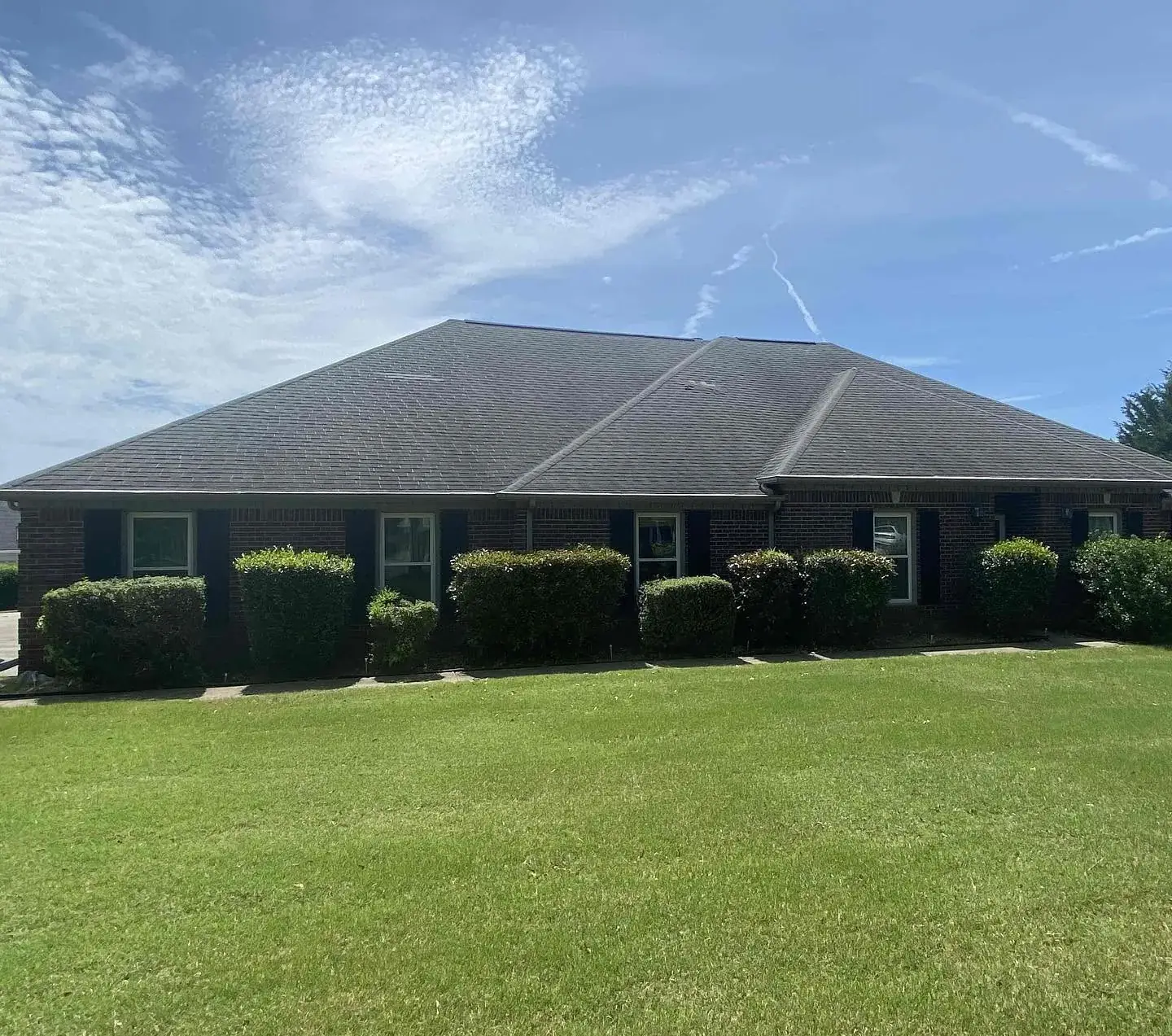
Central Florida storms create multiple types of roofing damage. Some are visible from the ground, while others require a professional roof-level inspection to identify.
Wind-Lifted or Missing Shingles
Strong winds can lift shingle tabs, break adhesive bonds, and tear shingles from the roof surface entirely. Even shingles that stay in place may be creased or loosened, making them vulnerable to the next storm.
- Shingles found in the yard
- Visible gaps in the roof surface
- Exposed nail heads or underlayment
Broken or Displaced Roof Tiles
Concrete and clay tiles can crack under debris impact, shift from wind pressure, or break when branches fall onto the roof. A single displaced tile can expose the underlayment to direct rainfall.
- Tile fragments on the ground
- Visible tile gaps or misalignment
- Water stains appearing after storms
Debris Impact and Punctures
Fallen branches and airborne debris can puncture roofing materials, crack tiles, dent metal components, and damage flashing. Impact damage sometimes creates openings that are small enough to miss in a ground-level visual check.
- Debris piled on the roof surface
- Dents or punctures in metal areas
- Immediate leaks after the storm
Damaged or Displaced Flashing
Wind can lift, bend, or completely displace flashing at roof-to-wall transitions, valleys, and penetrations. When flashing separates from the substrate, wind-driven rain can enter behind the roofing materials.
- Bent or lifted flashing edges
- Leaking at wall transitions
- Separated counter flashing
Flat Roof Membrane Damage
Wind uplift can open membrane seams, and debris can puncture TPO, modified bitumen, or other flat roof membranes. Standing water on flat sections compounds the problem by finding every opening.
- Open or peeling membrane seams
- Visible punctures or tears
- Ponding water after the storm
Wind-Driven Rain Infiltration
Rain pushed horizontally by severe wind gusts forces water beneath shingles, into attic vents, and through transition seams that remain watertight during standard rainfall. This creates hidden leaks that soak insulation.
- Attic moisture or wet insulation
- Water stains on ceilings or walls
- Leaks only occurring during high winds
Why Some Storm Damage Isn't Visible from the Ground
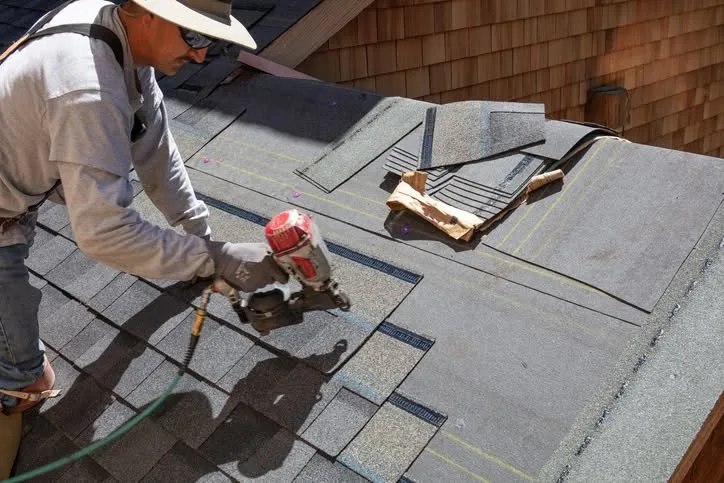
After a storm passes through Orlando, many homeowners check their roof from the yard and assume everything is fine because no shingles are visibly missing. But storm damage isn't always that obvious.
Wind can break shingle adhesive bonds without removing the shingle leaving it in place but functionally compromised. Creased shingles, hairline tile fractures, and loosened flashing may not be visible from ground level, yet they allow water entry during the next heavy rain or wind event.
This is why a professional roof-level inspection after any significant storm is important. Interior signs such as new attic moisture, a faint ceiling stain, or a musty smell in upper-floor rooms may be the first indication that something changed during the storm. If you're seeing signs of a developing roof leak, scheduling an inspection promptly can prevent the damage from expanding.
Storm Damage Repair Process
We follow a systematic approach to make sure storm damage is properly assessed, documented, and repaired not just patched over.
Full Roof-Level Damage Assessment
We inspect the entire roof surface, not just the area where damage is most obvious. Storm effects can span multiple sections a branch impact on one side may have loosened materials or displaced flashing in adjacent areas. We check all shingles, tiles, flashing, penetrations, and drainage components.
Detailed Damage Documentation
Every area of damage is photographed and documented with written descriptions. This creates the record that insurance companies require when processing a claim. Documentation includes the type of damage, the affected materials, the probable cause, and the location on the roof.
Temporary Protection When Needed
If the damage is actively allowing water entry, we secure the area before the permanent repair begins. This may include emergency tarping or temporary covering to protect the interior until weather-appropriate repair conditions arrive.
Complete Permanent Repair
We replace damaged materials, reseal compromised areas, restore flashing and penetrations, and confirm that the repaired sections integrate properly with the surrounding roof. The repair is designed to return the affected area to proper working condition not just cover the visible damage.
Storm Damage Insurance Documentation
Filing an insurance claim for storm damage can feel complicated. Here's how we support the process with detailed documentation.
Storm Damage Repair FAQ
As soon as safely possible. Storm damage can worsen with subsequent rainfall, and early documentation strengthens insurance claims. If there is active water entry or visible structural damage, contact a roofing professional immediately.
Yes. Wind can loosen shingle adhesive strips, crease shingles without removing them, or push water beneath tiles without leaving obvious ground-level evidence. Interior signs like new attic moisture or ceiling stains after a storm may indicate damage that is not visible from below.
Most homeowner policies in Florida cover sudden wind and storm damage. Coverage depends on the specific cause, your policy terms, deductible, and the condition of the roof prior to the storm. We provide detailed repair documentation including photographs and written scope of work to support your claim.
We repair damage from strong winds, wind-driven rain, fallen branches, airborne debris, and hail where applicable. This includes missing or lifted shingles, broken or displaced tiles, damaged flashing, punctured membranes, and compromised roof penetrations.
That depends on the cost of the repair relative to your deductible and the potential impact on your policy. For minor damage that falls below your deductible, a self-funded repair may be more practical. For significant damage, filing a claim is typically the appropriate path. We can provide a written estimate to help you make that decision.
Roof Repair Services We Provide
Our repair scope covers the most common roofing issues found on Orlando residential and commercial properties.
Storm Damage? Get a Professional Roof Assessment
If your roof was affected by recent storm activity whether you can see damage from the ground or you're noticing new interior signs schedule a professional inspection. We'll evaluate the full scope of damage, document everything, and provide a clear repair plan.